

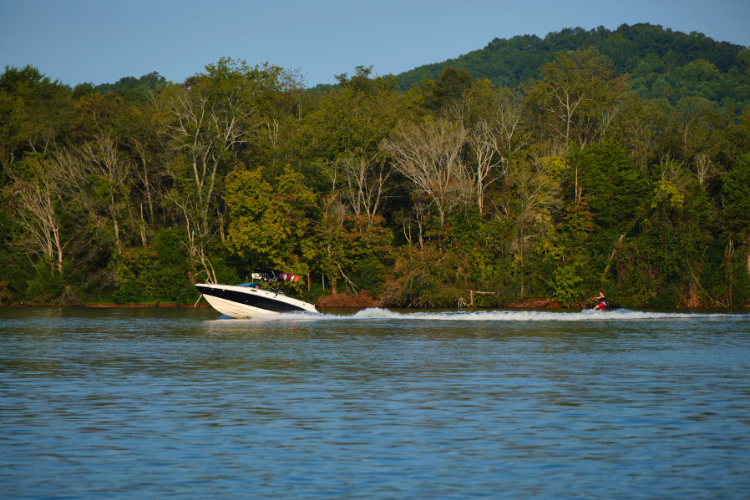
Ask any experienced wakeboarder or wakesurfer what separates an average day on the water from an epic one, and the conversation often comes back to one thing: the wake. But what most riders don't realize is how much their boat's tower actually shapes that wake — not just in looks, but in physics. From the height of your tow point to the way pull is distributed through your rope, your tower plays a bigger role in performance than most people give it credit for. Let's break down the science behind it.
Why Tow Point Height Matters
One of the most fundamental principles in wake sports is tow point height. Attaching your rope to a wakeboard tower instead of a low transom eye raises the angle of pull. That upward angle does two important things: it helps lift the rider up and out of the water more efficiently, and it reduces the tendency for the rope to dig down into the wake, which can cause instability or unwanted drag.
A higher tow point essentially gives riders more "pop" when launching off the wake for jumps and tricks, because the pull is working with the rider's upward motion rather than fighting against it.
Pull Angle and Rider Control
Physics doesn't stop at height — angle matters just as much. A tower-mounted tow point centers the pull directly above the boat's centerline, which creates a more balanced, predictable pull for the rider. This is especially noticeable during hard cuts and edge transitions, where an uneven or low pull angle can throw off a rider's balance and make tricks harder to land cleanly.
For wakesurfers, this same principle applies to rope handling during drop-ins and short-rope tricks, where a stable, elevated tow point makes it easier to maintain control at slower speeds.
How Towers Shape the Wake Itself
It's not just about the rope — a tower's design can also influence how a boat handles and, in turn, how the wake forms. Towers add weight and, depending on design, can shift the boat's center of gravity slightly. Well-engineered towers are built to minimize this impact while maximizing structural benefits, keeping the boat's wake-shaping performance (from ballast, hull design, and speed) as the dominant factor, while the tower optimizes how that wake energy gets transferred to the rider through the rope.
Speaker Mounts, Racks, and Real-World Function
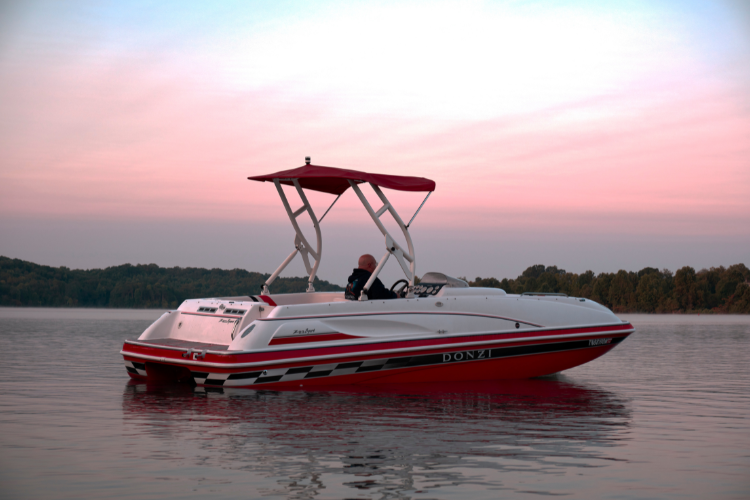
While towers are often associated with performance, they also serve a practical role most riders rely on daily — mounting points for board racks, bimini tops, and audio systems. A well-designed tower distributes this added weight and wind load evenly, maintaining structural integrity without compromising the pull dynamics discussed above. This is why tower construction (aluminum grade, welds, and mounting hardware) matters just as much as its height and shape.
Choosing the Right Tower for Your Riding Style
Different riding disciplines benefit from different tower geometries:
- Wakeboarding riders often prioritize maximum tow point height for bigger air and more aggressive pop off the wake.
- Wakesurfing riders may prefer a slightly lower or forward-mounted tow point paired with a shorter rope, since the goal is a controlled, close-in pull rather than height.
- Wake skating and kneeboarding riders typically fall somewhere in between, benefiting from a stable, centered pull without excessive height.
Understanding your primary sport — or sports, if your crew likes to mix it up — helps determine the ideal tower height and rope attachment setup for your boat.
The Bottom Line
A tower isn't just a frame bolted onto your boat — it's a piece of engineering that directly affects lift, pull angle, rider stability, and overall performance on the water. Whether you're chasing bigger air on a wakeboard or a smoother, closer pull for surfing, understanding the science behind your tower helps you get more out of every set behind the boat.
At Monster Tower, we design every tower with these principles in mind — built to maximize performance while standing up to the demands of daily life on the water.






Comments